
 Dr. Adebunmi Adeola Akinbo
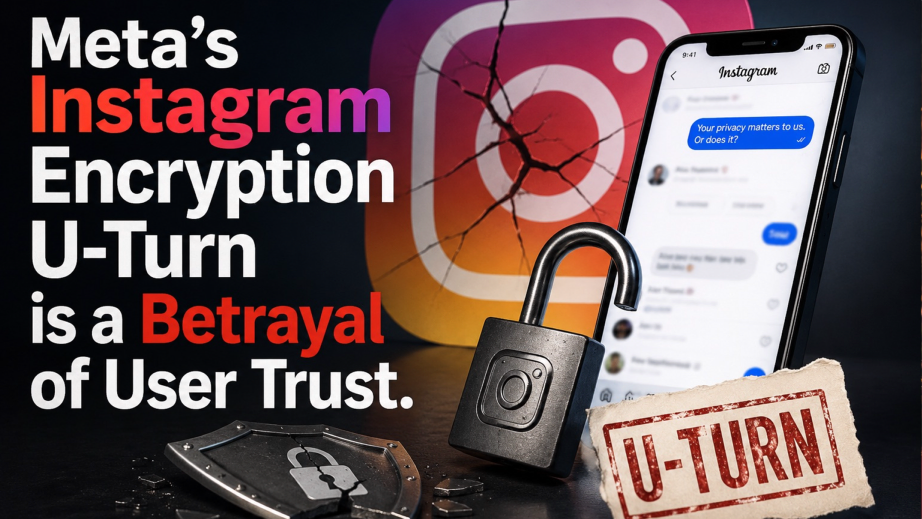

Seven years ago, Mark Zuckerberg famously declared that “the future of communication will increasingly shift to private, encrypted services.” Today, that vision lies in tatters. In a stunning reversal, Meta is completely stripping end-to-end encryption (E2EE) from Instagram Direct Messages. Rather than fulfilling its promise to make private messaging the default standard, the company has chosen a path that actively compromises the security of hundreds of millions of people.
Let’s be clear about what this means. End-to-end encryption isn’t a premium luxury; it is the baseline requirement for digital safety in the modern world. Without it, your private conversations are transparent. They can be scanned by Meta, intercepted by malicious actors, or subpoenaed by aggressive government entities.
Meta will likely hide behind technical excuses. Building a secure architecture for a media-heavy, feature-rich app like Instagram is undeniably complex. Engineering teams must rebuild everything from link previews to cloud backups so they operate without Meta ever seeing the data. The company may also point to low user adoption of Instagram’s current “opt-in” encrypted chats.
But these are lazy defenses. Low adoption is the inevitable result of a hidden, clunky feature that Meta never properly promoted. Complexity is not an excuse for elimination. Meta possesses some of the most advanced engineering talent and vast financial resources on earth. If it can deploy default encryption to billions of users on WhatsApp and Facebook Messenger, the retreat on Instagram is a deliberate choice of product convenience over human safety.
The real-world consequences of this rollback will be severe. Journalists, human rights defenders, domestic abuse survivors, and marginalized communities rely on encrypted DMs as a lifeline. By removing this shield, Meta exposes its most vulnerable users to surveillance and physical danger. Furthermore, it sets a terrible precedent, giving political cover to authoritarian regimes worldwide currently fighting to dismantle digital privacy laws.
By abandoning encryption on Instagram, Meta sends a cynical message: your fundamental right to privacy is up for debate if the engineering gets too tedious. This is a massive step backward for internet freedom. If Meta truly believes in a private future, it must immediately reverse course and make security the default—not an afterthought.


 Credible Source